
Maintaining clear and healthy skin doesn’t have to feel complicated. With the right techniques and habits, you can build a skin care routine that supports your skin’s natural balance without needing dozens of products or time-consuming rituals. Simplicity, consistency, and a bit of expert guidance go a long way.
Many people begin their journey to better skin after visiting a professional. A Medical & Aesthetics Clinic can offer personalized advice, but the real results often come from your everyday habits. Below are tried-and-true tips that work well for all skin types and can be adapted as your skin changes over time.
Start with the Basics Before Adding Extras

Cleansing, moisturizing, and sun protection are the backbone of any effective skin care routine. It’s tempting to jump into serums, acids, and gadgets, but without a strong foundation, those extras won’t make a lasting difference. A gentle cleanser twice a day helps remove dirt and oil buildup without stripping the skin. Moisturizer keeps your barrier strong and flexible, preventing dryness and irritation.
Sunscreen is non-negotiable. A broad-spectrum SPF 30 or higher should be the final step in your morning routine, rain or shine. Sun damage leads to dullness, uneven tone, and premature aging. Even the best treatments won’t work as well if you’re skipping this step.
Once the basics are solid, you can experiment with more targeted products. But only after your skin has adjusted to a consistent daily rhythm.
Choose Ingredients That Match Your Skin Goals
Each skin type benefits from different active ingredients. For oily or acne-prone skin, salicylic acid or benzoyl peroxide can help reduce breakouts. For dryness and sensitivity, look for ceramides and hyaluronic acid, which boost moisture without clogging pores. If you’re focused on evening out pigmentation or softening fine lines, niacinamide and retinol may be worth considering.
It’s important not to overload your skin with too many activities at once. Start slowly. Introduce one ingredient at a time, and give your skin a week or two to respond. If you notice irritation, back off and adjust.
You don’t need a shelf full of products to see results. Choosing a few that target your specific needs, and using them correctly, can make a bigger impact than a crowded skincare cabinet.
Hydration Isn’t Just for Dry Skin

Many people assume only dry skin needs moisture, but hydration is essential for all skin types. Even oily skin can become dehydrated, which often triggers even more oil production. Hydrated skin looks brighter, feels smoother, and functions better as a barrier against pollutants and irritants.
Use a water-based or gel moisturizer if you’re prone to breakouts or shine. For dry or mature skin, thicker creams with ingredients like shea butter or squalane offer long-lasting comfort. Layering in a hydrating toner or serum can also help without weighing down the skin.
And don’t forget internal hydration. Drinking enough water throughout the day supports your skin’s elasticity and overall glow. What you put in your body matters just as much as what you apply to your face.
Stop Touching Your Face Without Thinking
This one’s easy to overlook. Many people touch their face dozens of times a day without even realizing it. Your hands collect dirt, oil, and bacteria from surfaces, which can then transfer to your skin and trigger breakouts or inflammation.
The habit is especially common during work or screen time. If you catch yourself doing it, take a mental note. Try keeping tissues nearby if you need to scratch or rest your face. And clean your phone regularly, this is one of the dirtiest objects we use daily, and it touches your cheeks every time you take a call.
Breakouts around the jawline and chin are often linked to this unconscious contact. Reducing hand-to-face contact can make a real difference, especially for those prone to acne.
Don’t Skip Nighttime Care
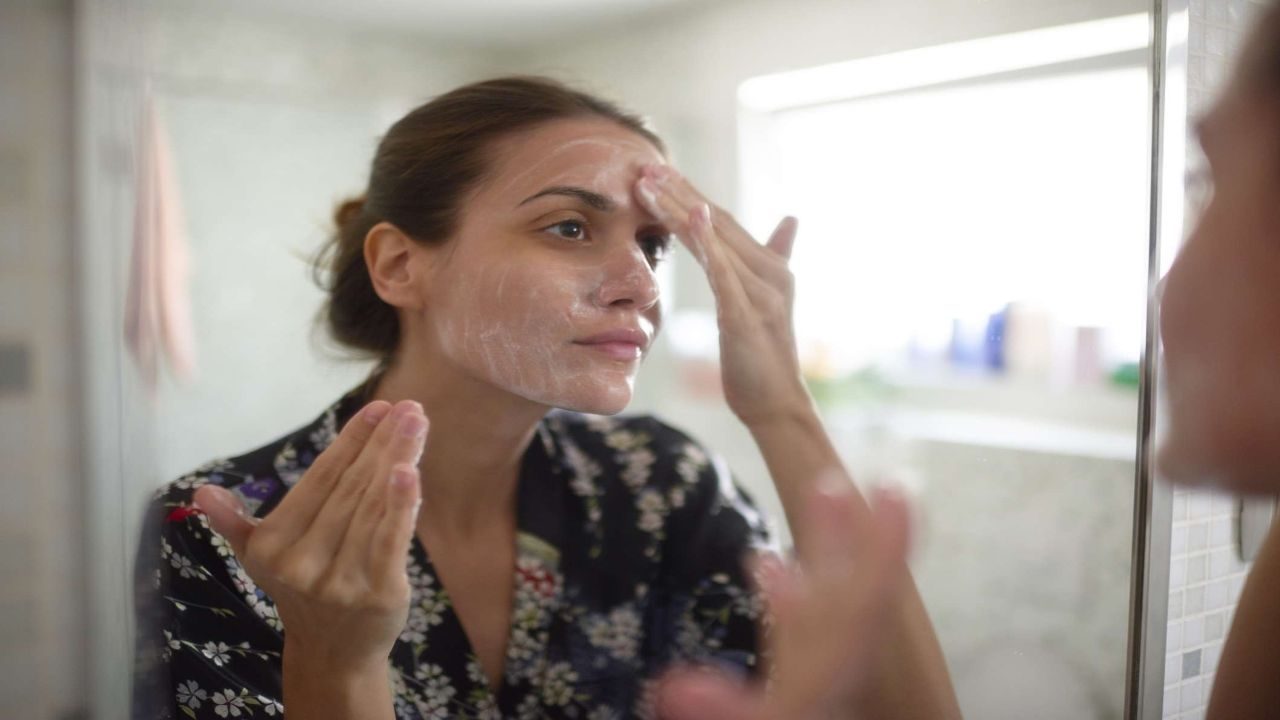
Your skin works hardest at night to repair itself. That makes your evening routine just as important, if not more, than your morning steps. Cleansing thoroughly is essential for removing makeup, pollution, and sunscreen from the day. Skipping this step allows debris to settle into pores, triggering blemishes and rough texture.
Night is also the ideal time for treatment products, since your skin isn’t fighting UV rays or environmental stressors. This is when ingredients like retinoids, peptides, or brightening agents can shine. Follow them with a moisturizer to lock in hydration and seal the skin’s surface.
Getting enough quality sleep matters too. Poor sleep weakens your skin’s ability to repair itself, leading to dark circles, dull tone, and increased sensitivity. Prioritize a calming pre-bed routine and aim for at least 7 hours of rest nightly.
Know When to See a Professional
While at-home care makes a big difference, there are times when expert help is the smartest move. Persistent acne, sudden sensitivity, or mysterious rashes shouldn’t be brushed off or masked with makeup. A licensed dermatologist or trained aesthetic provider can pinpoint the root cause and recommend safe, effective treatment options.
If you’re dealing with acne scars, pigmentation, or early signs of aging, professional treatments like chemical peels, laser therapy, or microneedling may offer better results than over-the-counter products. These treatments require proper assessment and should always be done in a clinical setting.
Investing in a check-up with a skin care expert once or twice a year can help you stay on track. They can update your routine based on seasonal changes or shifting skin needs, saving you money and frustration in the long run.
Clear skin doesn’t come from miracle products or overnight results. It comes from small daily decisions, ones that support your skin’s natural health without overwhelming it. Stick to the basics, treat your skin with respect, and be patient. With time, the glow will follow.