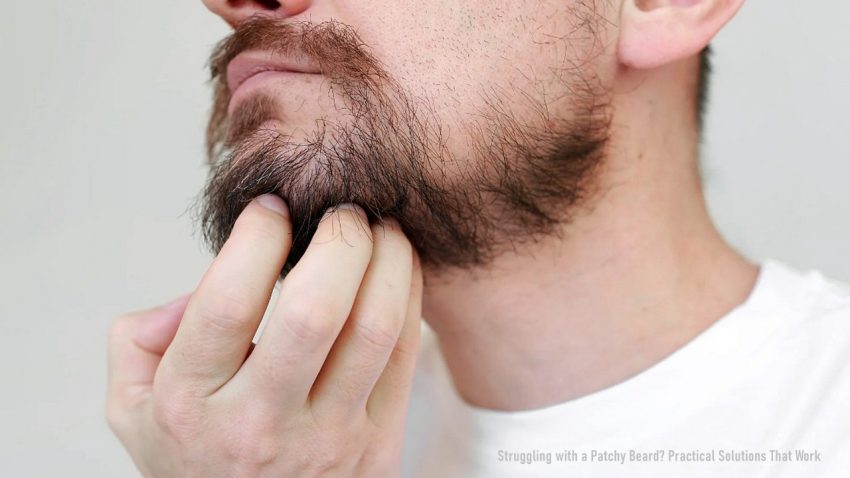
A patchy beard can feel personal. For some men, it reads like a grooming issue. For others, it starts to affect confidence, photos, work meetings, and even how often they shave. The tricky part is that patchiness does not come from one cause. Sometimes it reflects normal beard genetics and slower maturation. In other cases, it points to inflammation, fungal infection, or alopecia areata, which is an autoimmune form of hair loss that often shows up in round patches.
That is why a credible article on patchy beard solutions should stay grounded in diagnosis, skin health, and treatments with real clinical backing. The same practical, diagnosis-first mindset seen at the Dr. Evelyn Tay clinic makes sense here too: start with the follicles, the skin, and the pattern of loss before spending money on random oils, supplements, or viral hacks.
Why Beard Growth Turns Uneven in the First Place
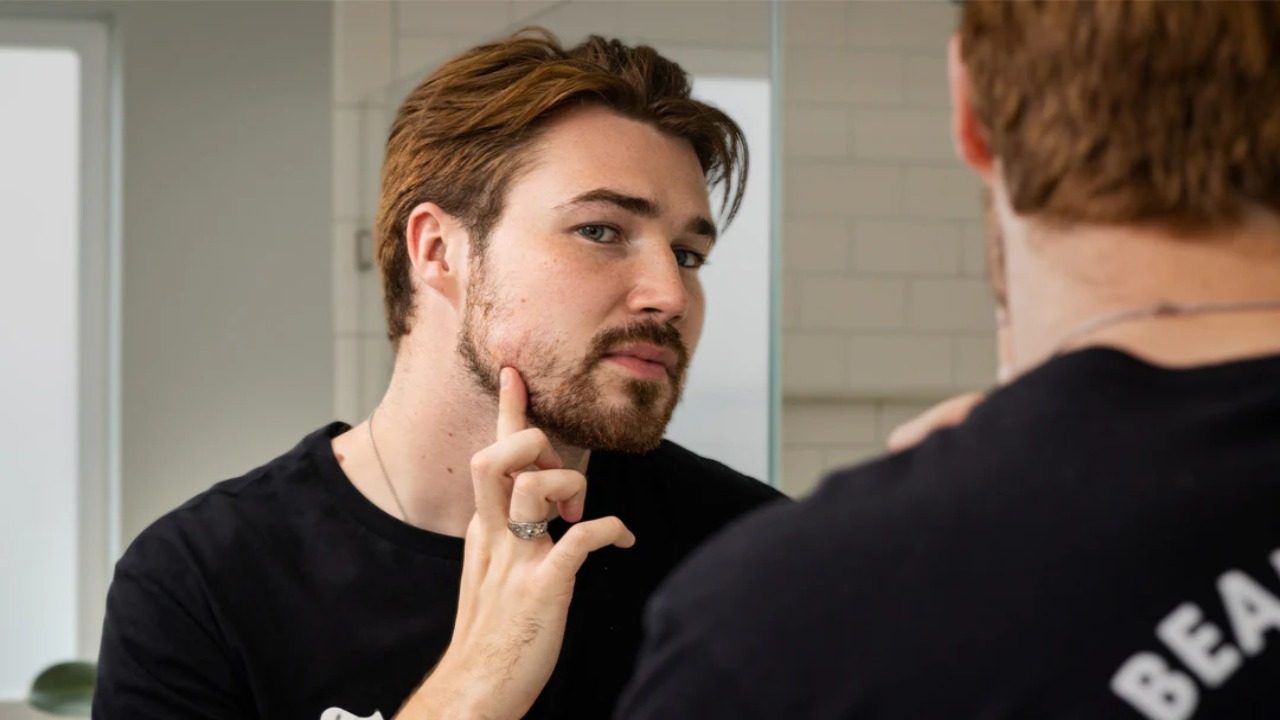
The first point to know is simple. Many patchy beards are not a sign of poor health. Beard thickness and pattern are strongly shaped by genetics and by how your follicles respond to androgens after puberty. That is why two men of the same age can have very different beard density. It is also why a beard can look sparse in the cheeks and fuller on the chin or jawline. Cleveland Clinic notes that genetics plays a major role, and it also points out that low testosterone is usually not the main reason if normal puberty and body-hair development already took place.
Still, some patterns deserve closer attention. Sudden round gaps can point to alopecia areata. Scaly, itchy, inflamed areas can signal seborrheic dermatitis or a fungal infection. Mayo Clinic also lists hormonal changes, medical conditions, and normal aging among common drivers of hair loss, while the AAD notes that dermatologists may check for thyroid disease, iron status, and vitamin levels when the pattern suggests more than simple hereditary thinning.
How to Tell Normal Sparseness From a Real Skin or Hair Disorder
Normal sparseness usually behaves in a boring way. The beard looks thin in the same places for a long time, the skin feels calm, and the gaps do not suddenly widen over a week or two. You may notice better coverage as the hairs grow longer or as you age. In that setting, the issue often comes down to grooming strategy and patience rather than a medical problem. Cleveland Clinic’s beard guidance supports this broader point that genetics and normal variation explain many beards that never fill in completely.
A different pattern should push you toward a dermatologist. Red flags include sudden round bare spots, itch, pain, scaling, broken hairs, pustules, crusting, or hairs that pull out easily. Patchy loss in the beard plus similar spots on the scalp or brows raises concern for alopecia areata. Shiny skin or signs of scarring matter even more because scarring alopecia can permanently damage follicles if treatment comes too late. Fungal beard infection, called tinea barbae, can also mimic ordinary irritation but often needs oral medication instead of a pharmacy beard oil.
Start With the Skin Under the Beard
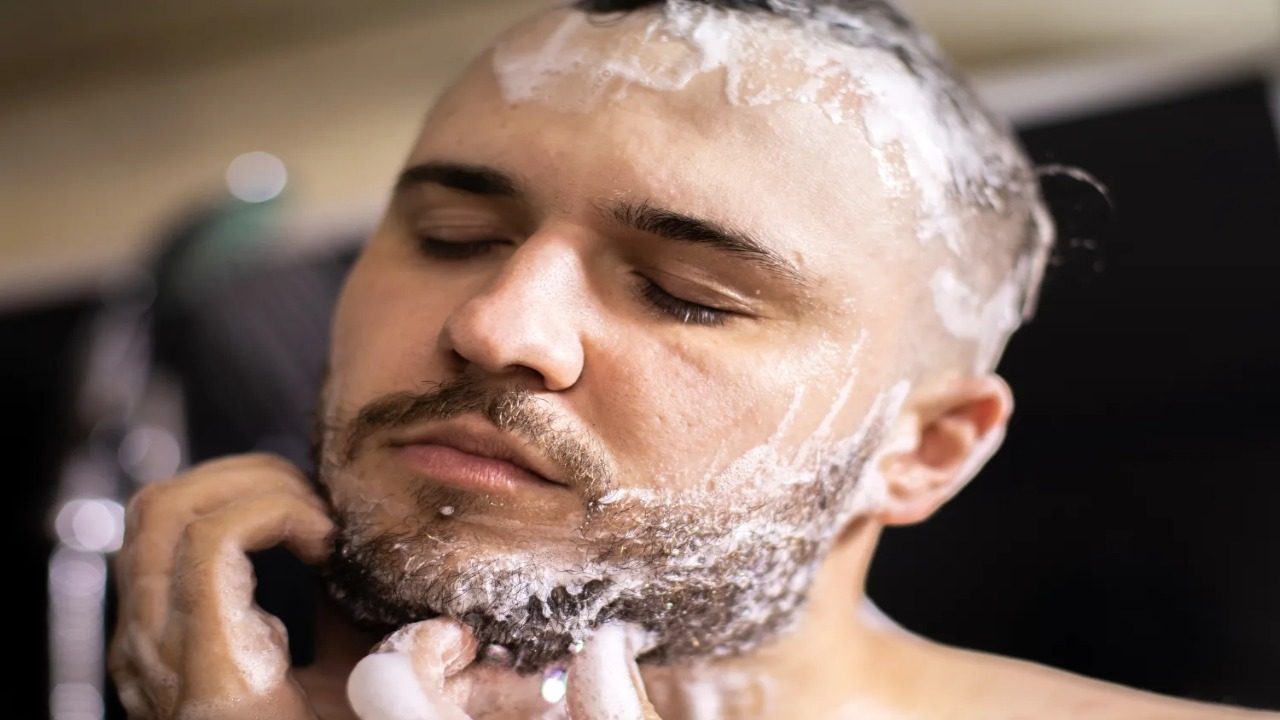
Men often focus on the visible hair and ignore the skin below it. That slows progress. The AAD recommends washing the face and beard daily to remove oil, dead skin, germs, and buildup that can clog pores and irritate the skin. Clean skin supports healthier follicles and makes it easier to spot rash, flaking, or inflamed follicles before they get worse. A gentle cleanser and a simple moisturizer often do more for day-to-day beard appearance than a shelf full of heavily fragranced beard products.
If your beard area feels itchy, flaky, or greasy, think about dandruff-type inflammation instead of poor beard growth. The AAD notes that seborrheic dermatitis often affects the beard and mustache area and commonly responds to dandruff shampoos with ingredients such as zinc pyrithione, ketoconazole, or selenium sulfide. It also warns that irritated skin in this setting needs gentle care. In practical terms, treating the inflammation can make the beard area look cleaner, calmer, and more even, even before any regrowth treatment enters the picture.
What Actually Helps Regrowth
When alopecia areata causes the patchiness, dermatologists usually reach for treatments that calm the immune attack around the follicle. The AAD lists prescription corticosteroids as a standard option and notes that minoxidil can help maintain regrowth, including in the beard area. That said, topical minoxidil is FDA-approved for hereditary scalp hair loss, not facial hair growth, and the AAD specifically warns that using it on the face can irritate the skin. In plain English, beard regrowth treatment can help, but it works best when a dermatologist matches the right tool to the right cause.
If the problem comes from infection or active skin disease, the solution changes fast. Tinea barbae usually needs oral antifungal treatment, not home remedies. A clinician may also order blood work, examine plucked hairs, or take a small biopsy if the picture is unclear. That step matters because steroid treatment can help alopecia areata, while an untreated fungal infection can worsen and may even scar. Good treatment starts with naming the problem correctly.
What Usually Wastes Time, Money, and Patience

A lot of men lose months chasing products that sound impressive and do very little. Cleveland Clinic states that there is little evidence that natural remedies truly treat alopecia areata. The AAD also cautions against casual use of minoxidil on the face because irritation is common. That makes one point very clear: if your beard has true bald patches, inflamed skin, or fast change, a random internet routine is rarely the smartest first move.
Another common dead end is assuming a patchy beard must mean low testosterone. That idea spreads fast online, but Cleveland Clinic makes a useful distinction here. Clinically low testosterone can affect hair growth, yet men who have gone through normal puberty and developed body hair usually do not have patchiness for that reason alone. If you feel fatigued, have low libido, or have other hormone-related symptoms, a doctor can assess that properly. If not, it makes more sense to focus on the follicles, the skin, and the specific pattern of hair loss in front of you.
When Professional Care Makes the Biggest Difference
A dermatology visit often moves things forward faster than months of guessing. The AAD says dermatologists may review your health history, examine the hair and skin closely, remove a few hairs for testing, do a biopsy, or order blood tests to check thyroid disease, iron, and vitamin levels. That kind of workup sounds basic, but it often separates normal sparse growth from alopecia areata, fungal infection, dermatitis, and more permanent scarring disorders.
A smart treatment plan usually follows a simple order. First, calm inflammation or treat infection. Next, support regrowth if the follicles are still healthy. Then reassess over time, because hair growth moves slowly and treatments such as minoxidil usually take months before results become clear. If a clinician suspects scarring alopecia, early action matters because destroyed follicles cannot regrow hair. That is the practical bottom line: a patchy beard can improve, but the best results come from matching the treatment to the cause instead of treating every gap the same way.