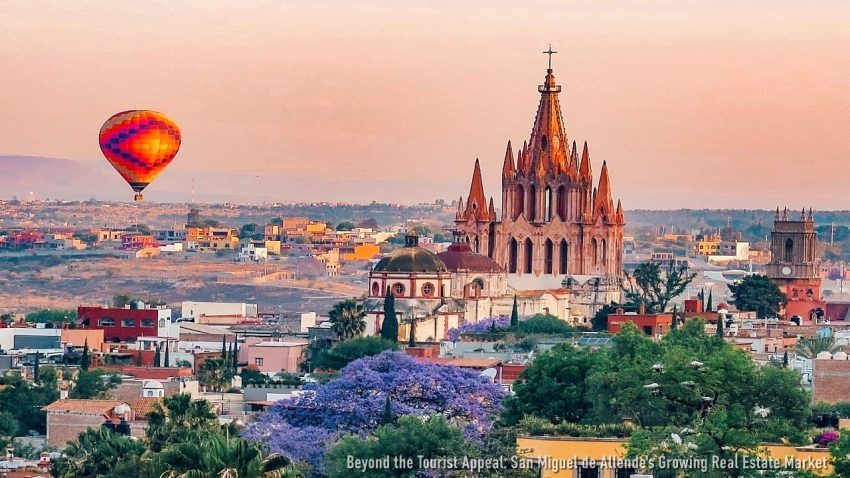
Most people encounter San Miguel de Allende as a destination first. They arrive for the colonial architecture, the festivals, the food, and leave having taken some mental inventory of the houses they walked past on the way back from dinner. A meaningful number return with different intentions. Over the past decade, the city has shifted from a beloved expat enclave into one of the more seriously watched real estate markets in Mexico, and buyers who partner with DreamProHomesLuxury arrive already aware of its UNESCO World Heritage designation and its reputation as a draw for North American retirees and remote professionals. What still surprises them is the depth and variety of the market.
That depth becomes clearer once you move past the surface impression. A proper guide to San Miguel de Allende real estate covers everything from the historic Centro’s centuries-old stone houses to newer developments on the city’s periphery, where modern construction meets the same cultural context without the same price premiums. Demand has outrun the casual narrative: this is not a sleepy artist’s colony where properties sit waiting for years on a buyer.
What Drives Value Inside the Historic Center
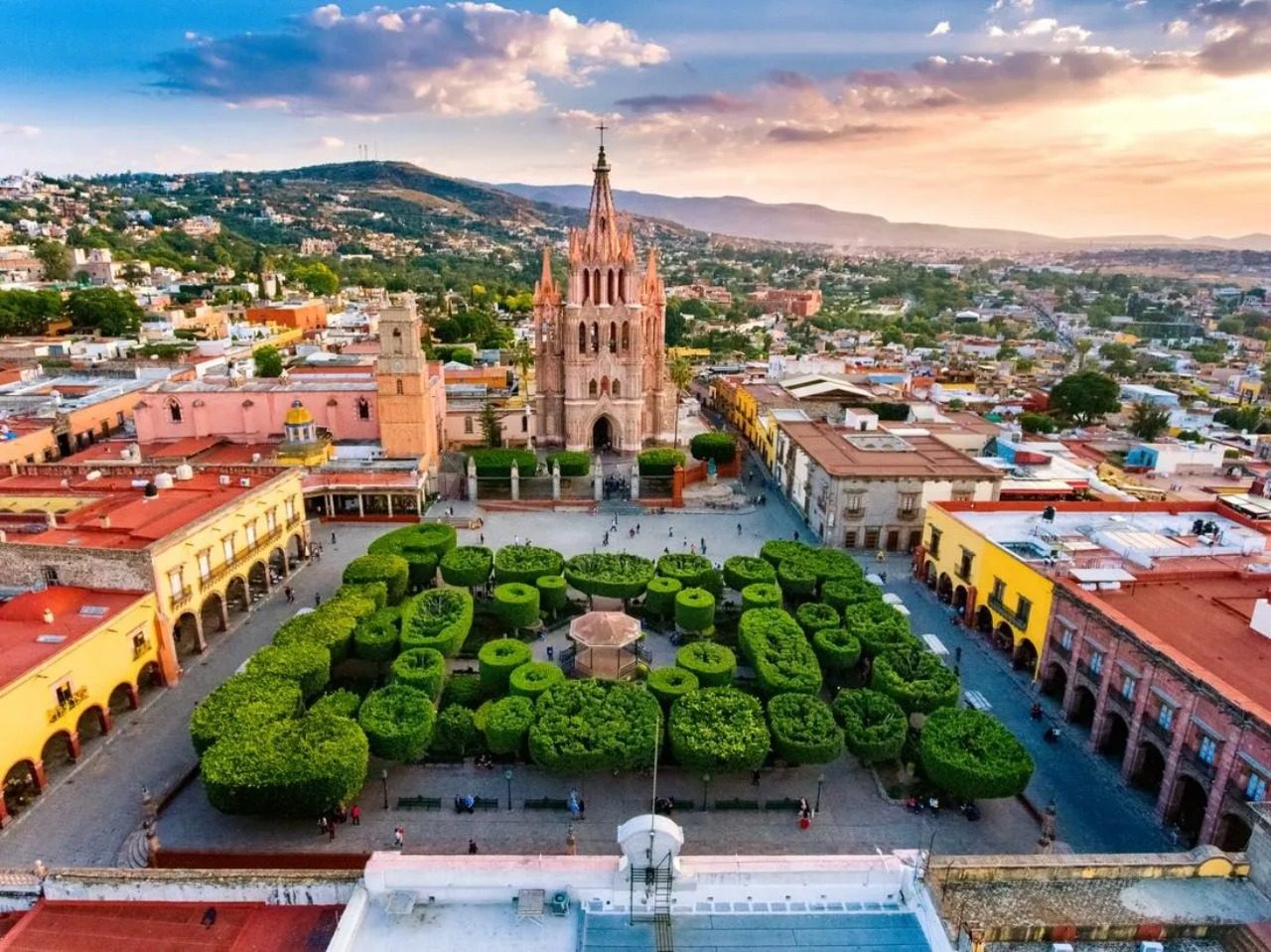
The centro historico of San Miguel de Allende operates under strict aesthetic controls. Exterior facade modifications require municipal approval, a policy that has protected the street-level character of the historic core for decades and kept renovation standards consistently high. The result is a residential market where physical context is unusually stable from block to block, and where a property’s condition matters more than raw location.
Homes in Centro are built around central courtyards, and the street-facing facade often understates the property’s actual scale and quality. Buyers consistently underestimate them before walking in. This interior-focus logic is one of the more disorienting aspects of shopping here for someone accustomed to North American single-family homes, where curb appeal signals value from the road.
Pricing per square meter varies considerably by condition, floor height, and proximity to the Parroquia de San Miguel Arcángel. A fully renovated 280-square-meter house close to the jardín principal can fetch anywhere from $400,000 to $900,000 USD depending on rooftop access and renovation quality. That range is real, not the kind of spread agents pad for negotiation room.
The Colonias: Where Most Residents Actually Live
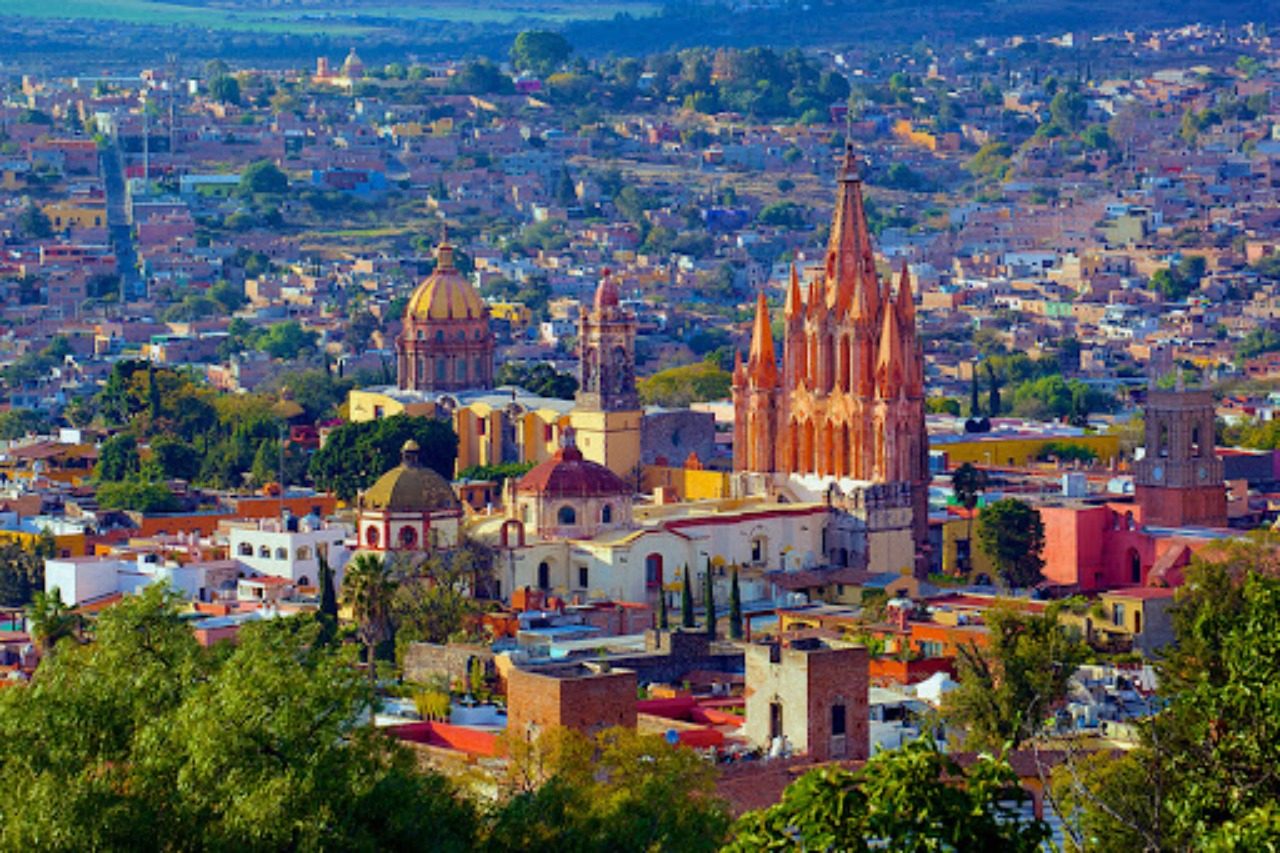
Most buyers who settle long-term in San Miguel de Allende don’t end up in the historic center. They land in colonias like Guadalupe, Atascadero, San Antonio, or Ojo de Agua, each with its own price profile and character. These neighborhoods absorbed most of the city’s development activity over the past fifteen years, and the price gap between a comparable colonia property and a Centro address has narrowed more than most people expect.
Atascadero draws buyers who want newer construction with strong views, reliable parking, and larger lots. The neighborhood sits on elevated ground north of Centro and attracts full-time residents alongside part-year owners from the United States and Canada who find the historic center charming in theory but impractical for daily living. Properties there generally fall between $350,000 and $650,000 USD, with significant variation based on view quality and construction finish. San Antonio, closer in and more walkable, has seen steady price appreciation since 2021, and some blocks there now trade at levels that would have been implausible a decade ago.
How 2020 Reshaped Who Was Buying
The pandemic accelerated a shift already underway. Remote work opened the city to buyers in their 40s and early 50s who had previously deferred a move abroad until retirement. San Miguel de Allende, already established as a retirement destination, absorbed a new wave of working-age residents who needed reliable internet, a walkable core, and practical airport access. The city sits roughly 90 minutes from Querétaro’s international airport and about 2.5 hours by road from Mexico City, which puts it within range without requiring daily commuter logistics.
The UNESCO World Heritage designation, awarded in 2008 jointly for the historic town center and the nearby Sanctuary of Atotonilco, gave San Miguel an institutional credibility that eventually filtered into property valuations. Foreign buyers increasingly reference it as evidence of long-term preservation commitment: the idea that the city’s physical character has structural protection from the development pressures that have altered comparable colonial centers elsewhere in Mexico. By mid-2022, inventory in the historic center had tightened noticeably, and well-priced properties were moving in weeks rather than months.
What Foreign Buyers Need to Know Before Signing

Mexico restricts direct foreign ownership of real property within 50 kilometers of a coastline or 100 kilometers of an international border. San Miguel de Allende falls outside those restricted zones, which means foreign nationals can hold title there in their own name, without a fideicomiso bank trust as intermediary. This is not universally true across Mexico, and it is one of the practical advantages buyers in San Miguel cite frequently.
Transactions still go through a notario publico regardless of the buyer’s nationality. In Mexico, a notario is a federally licensed legal professional with authority that exceeds what a notary public holds in the United States or Canada. The notario conducts the title search, confirms that property taxes are current, and oversees the transfer. Mexico’s Secretaría de Economía sets the regulatory framework governing foreign investment in real property, and compliance is handled through the notario’s office at closing. Buyers who work with an agent unfamiliar with cross-border transactions often surface complications at that stage that could have been caught earlier.
Why Long-Term Buyers Keep Coming Back
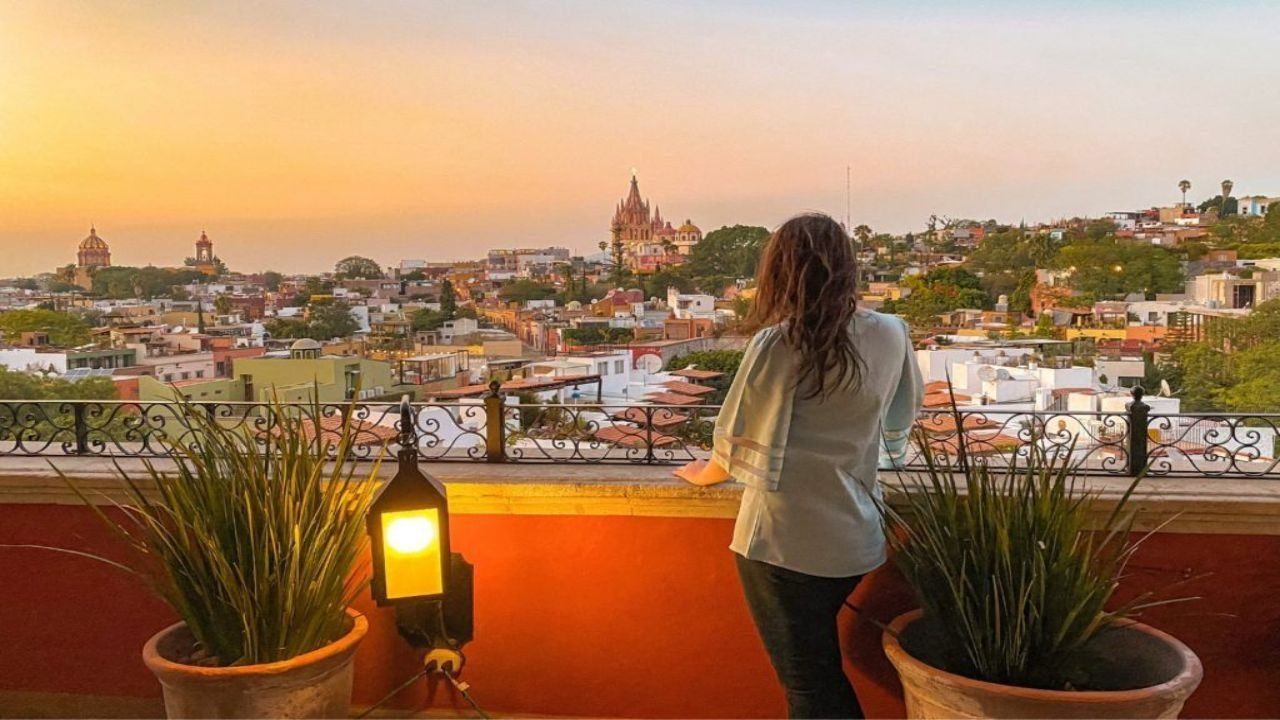
San Miguel de Allende is not a speculative market in the traditional sense. Buyers who purchase here are not generally betting on rapid appreciation they can monetize in three years. The more common profile is someone who wants a home they will actually use, and who views the property as a combination of lifestyle investment and inflation-resistant store of value.
The city’s international profile has remained consistent. It has appeared repeatedly on Travel + Leisure’s list of top cities worldwide, and that visibility drives sustained demand from buyers who were first introduced to San Miguel as tourists. Rental income is a secondary consideration for many owners, though the short-term rental market through platforms like Airbnb and VRBO is active in Centro and Guadalupe. A furnished casa in Centro can generate $3,000 to $6,000 USD per month during peak season, though rental management adds complexity that buyers from outside Mexico tend to underestimate at first.