
Selecting a reliable partner in precision engineering is one of the most critical choices a business can make. From aerospace to medical devices, industries rely on flawless execution and consistent quality. Companies like Beyonics have set benchmarks by combining technological innovation with deep industry expertise. For decision-makers seeking guidance, one clear starting point is identifying What To Look For in a Precision Engineering Company. The right partnership can streamline production, reduce risks, and ensure long-term competitiveness.
However, the decision-making process often comes with complexity. The range of providers, varied capabilities, and global sourcing options make it easy to feel overwhelmed. A strong evaluation framework helps filter options and directs focus toward factors that matter most. Below, we examine the key elements businesses should weigh when selecting a precision engineering partner.
Technical Expertise and Specialization

The foundation of any precision engineering partner lies in technical strength. Businesses should first assess if a company has proven expertise in the specific type of components or systems required. A firm specializing in medical-grade machining, for instance, may not be suited for large-scale automotive applications. Specialization ensures familiarity with sector standards, material performance, and compliance needs.
Evaluating a company’s design capabilities is equally vital. Look at how they handle prototyping, tolerance management, and complex geometries. Advanced partners often combine traditional machining with cutting-edge methods like additive manufacturing. This mix gives businesses flexibility and opens the door to innovative solutions that extend beyond standard production.
It is also useful to review the track record of projects similar in scale and complexity to your own. References, case studies, and technical papers can reveal how a provider tackles challenges, adapts to new requirements, and maintains precision under demanding conditions.
Quality Assurance and Certifications
Precision engineering cannot exist without strict quality assurance. A potential partner must demonstrate adherence to international standards such as ISO 9001, IATF 16949 for automotive, or ISO 13485 for medical devices. Certifications validate that processes are consistent, measurable, and aligned with industry regulations.
Beyond certificates, the depth of quality culture matters. Businesses should ask about inspection processes, real-time monitoring, and digital traceability tools. Leading firms integrate advanced metrology, in-line inspection, and automated reporting into their workflows. This commitment reduces the risk of defective parts and builds confidence in long-term supply reliability.
An effective way to gauge quality is by visiting facilities. A transparent shop floor, clear documentation, and robust corrective-action systems reflect a mature approach. The right partner will not just meet minimum requirements but continuously strive for zero-defect manufacturing.
Capacity and Scalability
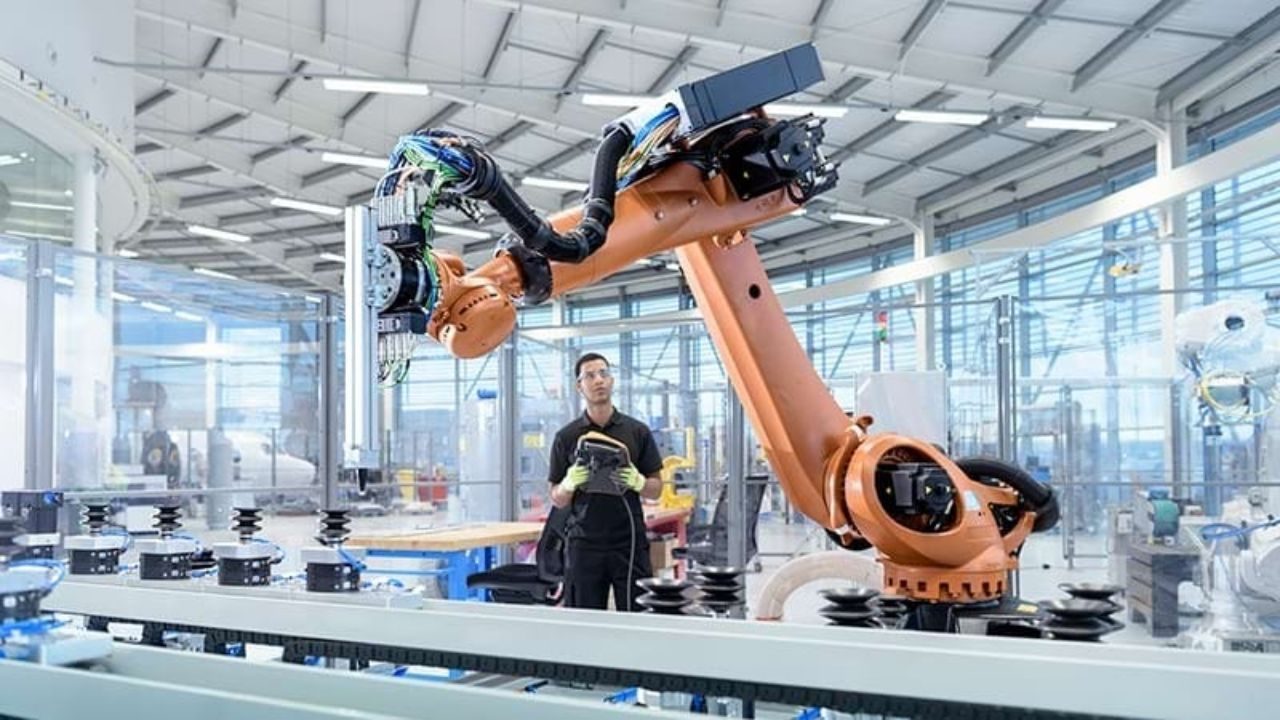
One of the most overlooked factors in partner selection is scalability. Businesses need suppliers who can adapt to shifting demand, handle volume spikes, and adjust to new product lines. Capacity goes beyond machine count. It includes workforce expertise, production planning systems, and supply chain resilience.
A scalable partner ensures projects will not stall during growth phases or market shifts. For example, when an aerospace supplier secures a new contract, the engineering partner must ramp production without sacrificing lead times or quality. If a company lacks flexibility, the business risks delays and reputational damage.
Technology also plays a role in scalability. Companies that invest in automation, robotics, and digital twins can respond faster to client requirements. They achieve efficiency while maintaining precision, making them more dependable partners in dynamic industries.
Supply Chain Integration
A precision engineering company does not work in isolation. It functions as part of a larger supply chain that affects timelines, cost, and product reliability. Strong partners maintain relationships with material suppliers, surface treatment specialists, and logistics providers. This integration minimizes disruptions and creates smoother project execution.
Businesses should evaluate how well a potential partner manages supplier risk. Do they have dual sourcing strategies? Can they ensure traceability of raw materials? These questions reveal whether the company can sustain operations in uncertain global markets.
In today’s interconnected environment, supply chain visibility is also key. Partners who employ digital platforms for tracking, forecasting, and coordination provide greater transparency. This level of integration reduces the chance of surprises and ensures that businesses receive consistent supply aligned with project schedules.
Innovation and Technology Investment

The most valuable engineering partners do more than produce parts. They contribute to innovation by investing in technology, research, and collaboration. Companies that adopt Industry 4.0 principles, from IoT-enabled machines to data-driven process optimization, stand out as forward-looking.
When evaluating providers, businesses should review recent investments in equipment, automation, and R&D. A partner with in-house design support and simulation capabilities can shorten development cycles. They help refine designs, reduce costs, and anticipate issues before production begins.
Innovation also extends to sustainability. Many industries now demand environmentally conscious practices such as reduced energy consumption, material recycling, and lower waste. Partners who integrate these values align not only with technical goals but also with broader corporate responsibility initiatives.
Communication and Long-Term Partnership
Technical capability alone does not guarantee success. Communication and relationship management form the glue of any successful partnership. A reliable precision engineering firm will prioritize transparency, share updates proactively, and maintain clear escalation channels for problem resolution.
Strong communication fosters collaboration during product development and issue troubleshooting. It prevents misalignment that often leads to costly delays. Businesses should evaluate responsiveness during the early stages of engagement as it often reflects future performance.
Finally, a partner worth investing in should demonstrate commitment to long-term collaboration. They should aim to grow with the client, anticipate future needs, and adapt as technologies evolve. This type of partnership goes beyond transactional supply agreements and becomes a source of strategic advantage.
Risk Management and Reliability
No business can afford disruptions in critical supply. Reliability is therefore a decisive factor when selecting a precision engineering partner. Companies should assess contingency planning, backup capacity, and history of meeting deadlines under challenging conditions.
Risk management also extends to geopolitical, regulatory, and financial stability. A supplier vulnerable to sudden policy changes or resource shortages may expose your business to unforeseen disruptions. Evaluating financial health, operational resilience, and insurance coverage helps reduce these risks.
In addition, consider how a partner approaches intellectual property protection. Many industries depend on proprietary designs and technologies. Clear agreements and strict internal controls protect sensitive data and ensure that innovations remain secure.
Choosing the right precision engineering partner is a strategic decision with long-term implications. By focusing on technical expertise, quality assurance, scalability, supply chain integration, innovation, communication, and risk management, businesses can make informed choices that safeguard performance and competitiveness. The best partnerships are built on trust, shared goals, and continuous improvement, creating value well beyond the production floor.