
Production delays. Missed deadlines. Frustrated teams.
If any of this sounds familiar, you’re not alone.
Many businesses struggle with hidden bottlenecks that slow down operations and eat into profits. The good news? Modern automation tools can clear these roadblocks before they derail your workflow. Companies looking to stay competitive are turning to smarter solutions to streamline processes and boost efficiency.
If you’re wondering where to start, visit this site for insights into automation tools designed to simplify production control. But first, let’s explore the most common bottlenecks—and how automation can help you fix them for good.
Why Identifying Production Weak Points Is the First Step to Efficiency
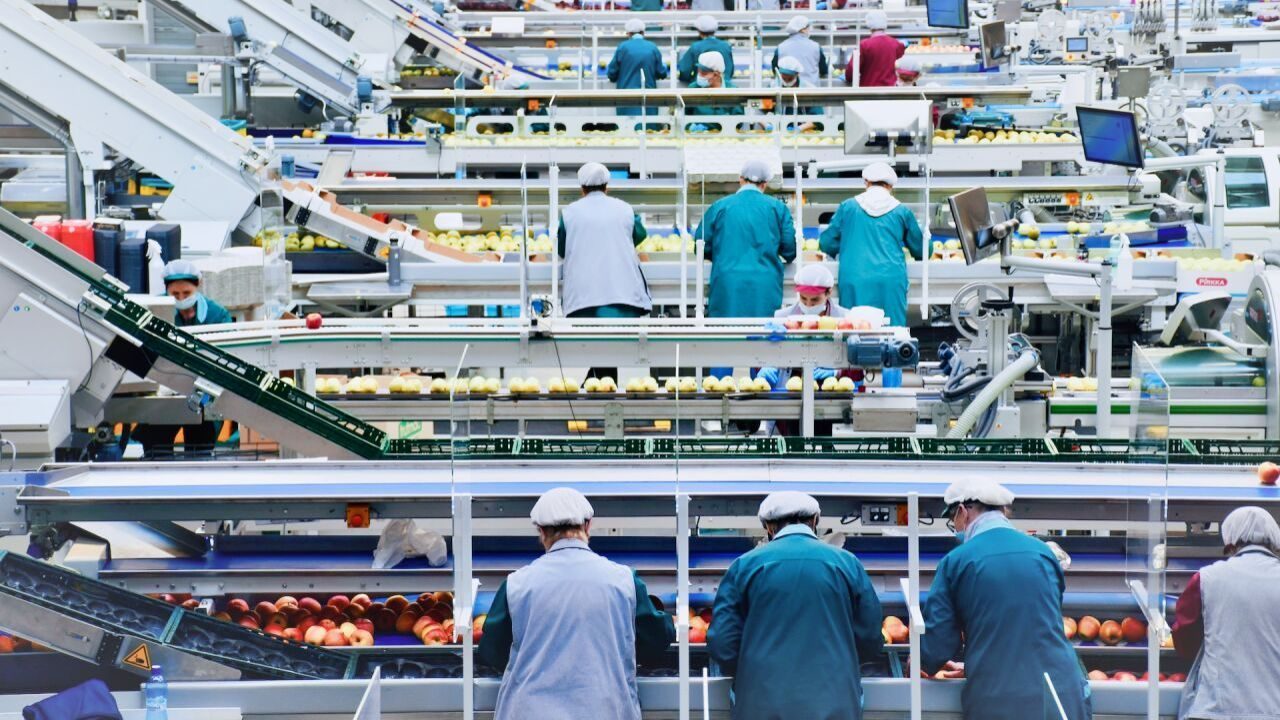
Smooth production isn’t just about having the right machines. It’s about ensuring that every part of the process flows smoothly without unnecessary interruptions. That’s where understanding your weak points becomes critical.
Take, for example, issues linked to outdated systems. Many manufacturers still rely on manual tracking or legacy software. This leads to delays, errors, and poor visibility. Solutions like the 2198-D006-ERS3 | Manufacturing platform offer modern alternatives, helping businesses avoid these pitfalls by integrating real-time monitoring and control.
Now, let’s walk through the five biggest culprits behind production slowdowns—and how automation tools step in to solve them.
Poor Inventory Management
Imagine running out of a critical material halfway through production. Or worse, discovering you’ve overstocked items that gather dust on shelves. Both scenarios are common when inventory is tracked manually or across disconnected systems.
Automation tools bring clarity. They monitor stock levels in real time and trigger alerts before supplies run low. This means no more guessing games or last-minute scrambles to reorder parts. Everything stays balanced, and production keeps moving.
Inefficient Scheduling

Production lines thrive on timing. When tasks aren’t properly scheduled, machines sit idle, and workers wait around. It’s not just frustrating—it’s expensive.
Automated scheduling software adjusts workflows based on real-time data. If a delay happens in one area, the system reallocates tasks to keep operations smooth. The result? Better use of resources and fewer costly downtimes.
Lack of Real-Time Data
Flying blind is never a good idea in manufacturing. Without up-to-date information, minor issues can snowball into major disruptions before anyone notices.
Automation tools solve this by providing continuous data streams across the entire production process. Managers can spot problems early and act fast. Whether it’s a machine running below capacity or a supply chain hiccup, real-time insights turn reactive teams into proactive ones.
Quality Control Delays

Catching defects late in the process leads to rework, wasted materials, and missed deadlines. Manual inspections are often too slow to keep up with modern production speeds.
With automated quality control, sensors and software check products at every stage. Errors are flagged immediately, reducing waste and keeping output consistent. It’s a smarter way to maintain high standards without slowing down the line.
Communication Gaps Between Departments
Even the most efficient production line can grind to a halt if teams aren’t on the same page. Miscommunication between departments often leads to duplicated efforts, missed handovers, or conflicting priorities.
Automation tools act as a bridge. They centralize information, so everyone, from the shop floor to management, accesses the same data. This ensures smoother collaboration and faster decision-making.
Bringing It All Together
These bottlenecks don’t just slow production—they drain resources and limit growth. However, with the right automation tools, businesses can transform these weaknesses into strengths.
From real-time inventory tracking to automated quality checks, technology removes the guesswork and keeps operations running smoothly. It’s no longer about working harder. It’s about working smarter.
As industries move towards greater digitalization, staying ahead means embracing tools that simplify complexity. For companies ready to tackle inefficiencies head-on, modern solutions offer a clear path forward.
If you’re serious about eliminating production headaches and boosting efficiency, don’t wait for the next bottleneck to cost you. Start exploring automation solutions today to see how modern tools can reshape your production process.